OEM & OE Production Programs
For engine OEMs, vehicle manufacturers, and Tier 1 or Tier 2 automotive supply-chain programs requiring structured drawing review, material and process confirmation, PPAP support, and serial production.

Patented Counter-Gravity Casting TechnologyPatented Counter-Gravity Casting Technology
IATF 16949 Automotive Casting · OEM & Global Aftermarket Programs
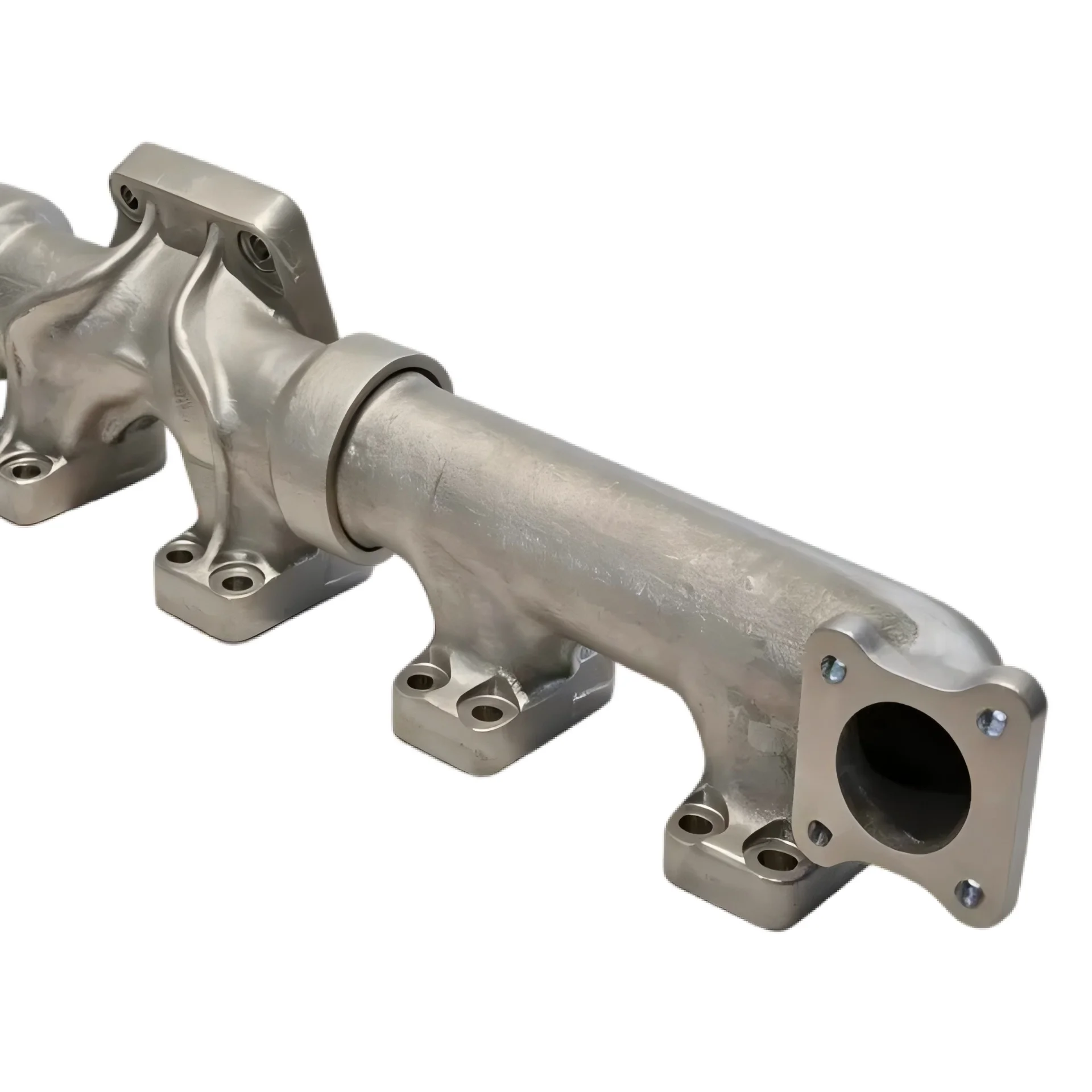
KTECH helps reduce casting defects in exhaust manifolds, turbo housings, engine hot-end parts and other complex thin-wall components through patented counter-gravity casting, material review and controlled process validation.
Automotive Supply Programs
KTECH applies automotive-grade quality systems, engineering review, and manufacturing discipline across different customer programs, while material specifications, CTQs, PPAP level, inspection scope, and documentation are controlled to each project requirement.
For engine OEMs, vehicle manufacturers, and Tier 1 or Tier 2 automotive supply-chain programs requiring structured drawing review, material and process confirmation, PPAP support, and serial production.
For automotive aftermarket brands, importers, distributors, and private-label programs requiring stable volume manufacturing from drawings, samples, or OE-reference information.
Casting Defect Risk Control
Exhaust manifolds, turbo housings, and engine hot-end components work under high temperature, thermal cycling, vibration, and corrosive environments. Thin walls, flanges, internal passages, and machined sealing surfaces can all amplify defect risk. KTECH helps reduce leakage, rework, scrap, and batch variation through drawing review, process design, sample validation, and production control.
View Process CapabilitiesRisk Point
Thin walls, corners, long flow paths, and multi-runner structures can increase sensitivity to short fill, cold shut, and local incomplete filling.
Why It Matters
These defects may affect edge integrity, thin-wall stability, sealing surfaces, machining yield, and batch consistency.
Risk Point
Complex internal passages, air entrapment, and unstable venting can create porosity and leakage-sensitive areas.
Why It Matters
Porosity may lead to leakage, internal quality variation, rework, customer complaints, or batch returns.
Risk Point
Flanges, collector areas, and thick-to-thin transitions are common hot-spot and shrinkage-sensitive areas.
Why It Matters
Shrinkage may be unclear before machining, but can be exposed after CNC machining, causing scrap or extra inspection cost.
Casting Projects
An exhaust manifold, a turbocharger housing, and a custom industrial casting do not face the same heat, geometry, machining, or inspection risks. KTECH Casting reviews the part requirements and matches the casting route to the actual application.
Heat-resistant castings for gasoline, diesel, heavy-duty, marine, generator, and industrial engine exhaust applications.
Best fit for cast iron exhaust manifolds, SiMo / high-temperature ductile iron review, complex flanges and runner structures, and OEM or engineering sourcing projects.
Casting support for turbocharger-related housings, hot-end engine parts, and exhaust-side components exposed to heat, vibration, and demanding service conditions.
Best fit for turbocharger housing casting review, engine hot-end castings, heat-resistant material selection, CNC machining, and dimensional inspection.
Custom casting projects for thin-wall, complex internal geometry, high-temperature, corrosion-resistant, or low-defect requirements.
Best fit for complex thin-wall industrial parts, high-temperature casting projects, corrosion- or oxidation-resistant casting review, and drawing-based development.
Core Capability
Material selection depends on service temperature, corrosion or oxidation exposure, geometry, machining requirements, inspection standards, and project volume.
Controlled bottom-up filling, venting review, feeding review, and process planning support complex thin-wall structures.
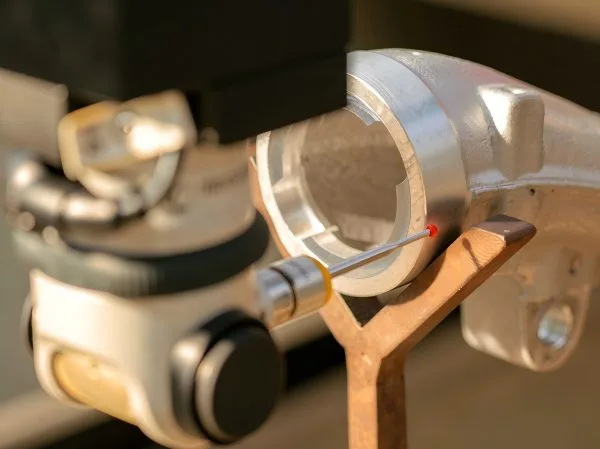
CNC machining, dimensional inspection, material verification, hardness, metallographic, leakage-related review, and batch traceability can be arranged by project.
Suitable Projects
KTECH Casting is best suited for casting projects with clear requirements for structural reliability, material fit, internal quality, machining accuracy, and quality documentation.


Quality & Documentation
Reliable casting quality depends on more than final appearance. For OEM, Tier 1, Tier 2, and global aftermarket programs, material verification, dimensional control, inspection records, batch traceability, and project documentation all need to provide a clear and reviewable quality trail.
RFQ Process
A clear review process helps buyers understand material, process, quality-documentation, and delivery risks before production.
Confirm geometry, application, material, service condition, inspection needs, and annual volume first.
Review material path, filling risk, feeding risk, machining requirements, and documentation needs.
Arrange sample, trial production, first article, and key-characteristic review according to project scope.
Run batch production, inspection records, traceability, and pre-shipment review based on project requirements.
Product Support
KTECH supplies catalytic converter and exhaust aftertreatment components for customers, including volume projects developed by OE number, vehicle application, sample, or project documentation.
These programs can be reviewed together with exhaust manifold, engine hot-end, and other exhaust-system casting requirements. Please provide the target market, vehicle application, OE number, sample photos, annual volume, packaging requirements, and quality documentation needs so the project scope can be confirmed.
Not sure what to provide? Send the drawing, 3D file, sample photos, OE number, service condition, material requirement, annual volume, target market, or quality documentation needs first. KTECH Casting will review the project and confirm the next step.